15 Benefits Of Math-Based Games For Cognitive Development
Imagine a child sighing when they see a math worksheet but then smiling excitedly while playing a game that teaches fractions without them even realizing it. Math games are changing how kids learn, turning tricky numbers into fun challenges. These games don’t just make learning fun, they also help kids think better, solve problems, remember things more easily, and feel more confident about learning.
This article looks at the many ways math games help children grow both mentally and emotionally. From apps on a screen to old-school board games, we’ll show how these tools support learning and share easy tips for parents and teachers to use them in daily life.
1. Enhances Problem-Solving Abilities
Problem-solving is at the heart of cognitive development, and math-based games are a powerful tool for nurturing this skill. Every time a child is asked to crack a code, solve a riddle, or complete a math puzzle, their brain is actively engaging with a challenge. These scenarios require identifying the problem, planning a solution, and applying the necessary steps to achieve a goal. This process mirrors real-world situations where decision-making and critical thinking are essential.
Over time, consistent exposure to problem-solving through math games builds confidence and resilience. Learners become more comfortable approaching unfamiliar tasks and learn to embrace challenges rather than shy away from them. They start to see failure not as a setback, but as a stepping stone toward understanding. This kind of growth is not just beneficial for school performance; it’s a core life skill that strengthens their ability to think clearly and act effectively in a variety of situations.
2. Boosts Logical Thinking
Logical thinking involves the ability to analyze situations, identify patterns, and make connections between ideas, all of which are central to math games. These games require players to follow rules, anticipate outcomes, and make decisions based on logic rather than guesswork. For instance, games that ask a player to arrange numbers in a particular order or choose the most efficient path to a target encourage methodical thinking.
As players grow accustomed to using logic to advance in a game, they begin applying those same reasoning skills outside of it. This development translates into academic areas like science and reading comprehension, where structured thought is crucial. Logical reasoning is also valuable in everyday life, whether you're planning a trip, managing time, or evaluating choices.
3. Strengthens Memory Retention
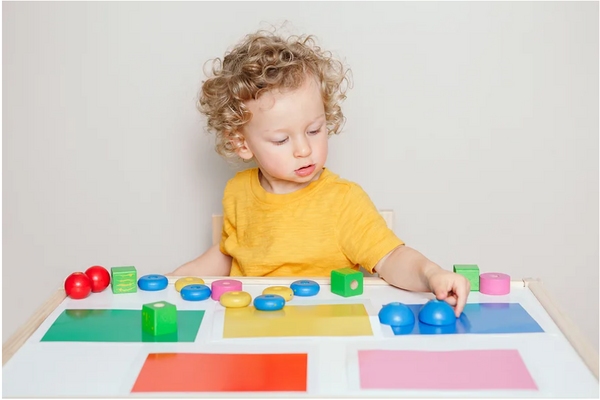
One of the most noticeable benefits of math games is their impact on memory. Many games rely on players recalling steps, remembering sequences, or applying math facts repeatedly. This consistent mental engagement helps develop both short-term and long-term memory. Remembering what worked in previous attempts, recalling rules, or calculating solutions in the moment pushes the brain to retain and retrieve information more effectively.
Over time, players begin to notice improvements in other areas of life where memory is key remembering homework assignments, following multi-step instructions, or recalling facts during exams. These games help build a kind of cognitive “muscle memory,” where repetition leads to mastery. And because the learning is woven into a fun and engaging activity, players are more likely to stay motivated and experience lasting benefits compared to traditional study methods.
4. Builds Attention Span And Focus
In an age of constant distractions, sustaining focus is more valuable than ever. Math-based games provide structured tasks that hold attention for extended periods. Whether solving a puzzle or completing a timed challenge, players must concentrate and resist the urge to give up. This focused engagement trains the brain to stay with a task from start to finish, improving overall attention span.
As attention grows stronger, so does the ability to filter out distractions, stay on track with academic tasks, and complete work more efficiently. These improvements are especially helpful for children who struggle with concentration, such as those with ADHD. The ability to focus under pressure and in timed environments also prepares students for test-taking situations and other high-stakes settings where mental clarity is essential.
5. Develops Number Sense And Math Fluency
Number sense is a foundational math skill that refers to an intuitive understanding of numbers and how they relate to one another. Math-based games nurture this by providing repeated, meaningful interactions with numbers. Players learn to estimate, compare values, and manipulate numbers in their heads without relying on paper or calculators. As a result, they begin to see math not as a list of rules to memorize, but as a logical and useful tool.
Fluency grows naturally through this kind of repeated exposure. Quick mental calculations become easier, and players gain the speed and accuracy needed to tackle more advanced math with confidence. Instead of dreading multiplication tables or fractions, learners start to engage with these concepts more fluidly. The process becomes automatic, freeing up cognitive resources for higher-order thinking and problem-solving.
6. Encourages Strategic Planning
Strategy is at the core of many math games. Whether a player is deciding how to spend their resources, planning a series of moves, or choosing which operation to use, they are constantly engaged in forward thinking. This encourages learners to not only think about their immediate actions but also anticipate what might happen next. Strategic thinking like this is crucial for developing executive functioning, the set of skills that help us plan, organize, and regulate behavior.
These planning skills carry over into real-life tasks such as setting goals, managing time, and making responsible choices. When children and adults practice this kind of thinking in a low-stakes, playful environment, they become more comfortable with complexity. They begin to assess risks, weigh outcomes, and reflect on their decisions.
7. Supports Emotional Regulation And Patience
Anyone who’s played a challenging game knows the feeling of frustration when something doesn’t go as planned. Math-based games naturally include moments of difficulty, which makes them perfect opportunities for learning emotional regulation. Players must manage disappointment, deal with failure, and keep trying even when things get tough. This encourages resilience, self-control, and patience, all critical components of emotional intelligence.
As children learn to tolerate frustration and delay gratification, they build coping skills that extend far beyond gaming. They become better at handling challenges in school, resolving conflicts, and managing anxiety in unfamiliar situations. Math games help normalize failure as part of the learning process, reinforcing the idea that effort matters more than immediate success. In this way, games provide both emotional and cognitive development, helping learners mature in multiple dimensions.
8. Catering To Different Learning Styles
Supporting different ways of learning is important because not every child learns the same way. Math games are helpful because they can be matched to a student’s preferred learning style. For example, some children understand better through pictures and colors, while others do best by physically interacting with objects. With so many types of math games available, it's easier to find something that fits how each student learns best.
By offering different types of learning experiences, math games help make sure no one gets left behind. They allow students to approach math in a way that makes sense to them, which builds confidence and helps them perform better. This variety gives all learners a fair chance to grow and feel successful in their math skills.
9. Self-Directed Learning And Autonomy
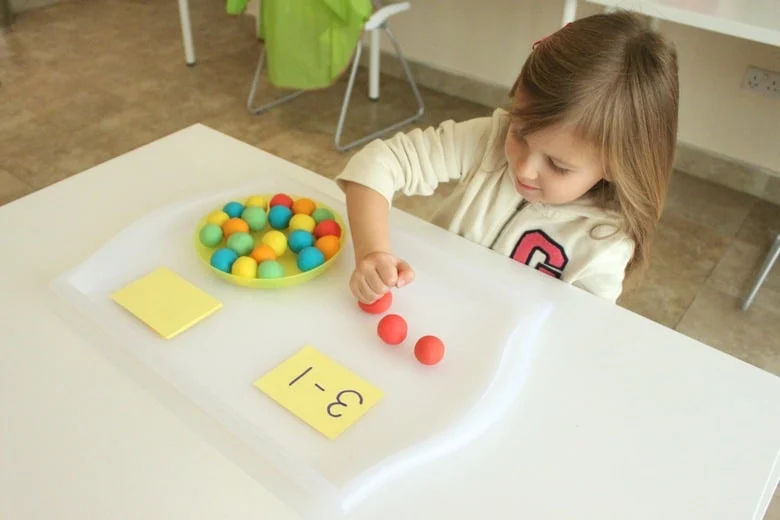
Math games give kids the chance to take charge of their learning. They let children make choices like which game to play, how fast to go, or how hard the challenge should be. This helps kids feel more in control and comfortable with making mistakes, which is an important part of getting better at math.
When students have this kind of freedom, they start to enjoy learning more and feel proud of their progress. It also helps them understand how they learn best, which builds strong thinking habits they can use in and out of the classroom.
10. Reducing Math Anxiety Through Positive Experiences
Math anxiety can hold many children back from doing well in math. However, math games help create a fun and low-pressure space for learning, which reduces this fear. By making math enjoyable and less stressful, games give kids the chance to succeed and feel good about their progress.
When children regularly have positive experiences with math through games, they begin to feel more confident and comfortable with the subject. This helps change their negative feelings about math into positive ones, encouraging them to stay engaged and keep learning without the fear of failure.
11. Social And Emotional Development
Math-based games offer more than just cognitive benefits; they also play a key role in children's social and emotional development, especially when used in group settings. Multiplayer math games encourage students to work together, communicate, and solve problems as a team, all while enhancing their math skills. These interactions foster stronger relationships among peers and help children build teamwork abilities.
Collaborative math games also teach valuable emotional lessons. Through these games, children learn how to manage frustration, build resilience, and practice good sportsmanship. They gain important life skills, like how to handle winning with humility and losing with grace, lessons that go far beyond just learning math.
12. Fosters Creativity
While math is often thought of as rigid and rule-bound, math games encourage creative thinking. Many games present problems that can be solved in more than one way, prompting players to experiment with strategies and explore new ideas. This open-ended problem-solving fosters flexible thinking, which is essential for innovation.
As learners explore multiple paths to success, they build confidence in their ability to think outside the box. They become less focused on getting the “right answer” immediately and more interested in the process of discovery. This creative approach to thinking not only benefits math understanding but also supports success in writing, science, and the arts.
13. Improves Processing Speed
Processing speed refers to how quickly the brain can take in, understand, and respond to information. Math games often involve timers, fast-paced challenges, or competition, all of which push players to think and react quickly. This practice trains the brain to make faster connections and retrieve information more efficiently.
Improved processing speed can make a big difference in school settings, especially during tests or timed assignments. Learners who process information quickly are more confident and less likely to feel overwhelmed by pressure. Over time, this confidence builds motivation and a positive attitude toward learning, reinforcing a cycle of academic growth and personal achievement.
14. Enhances Spatial Reasoning
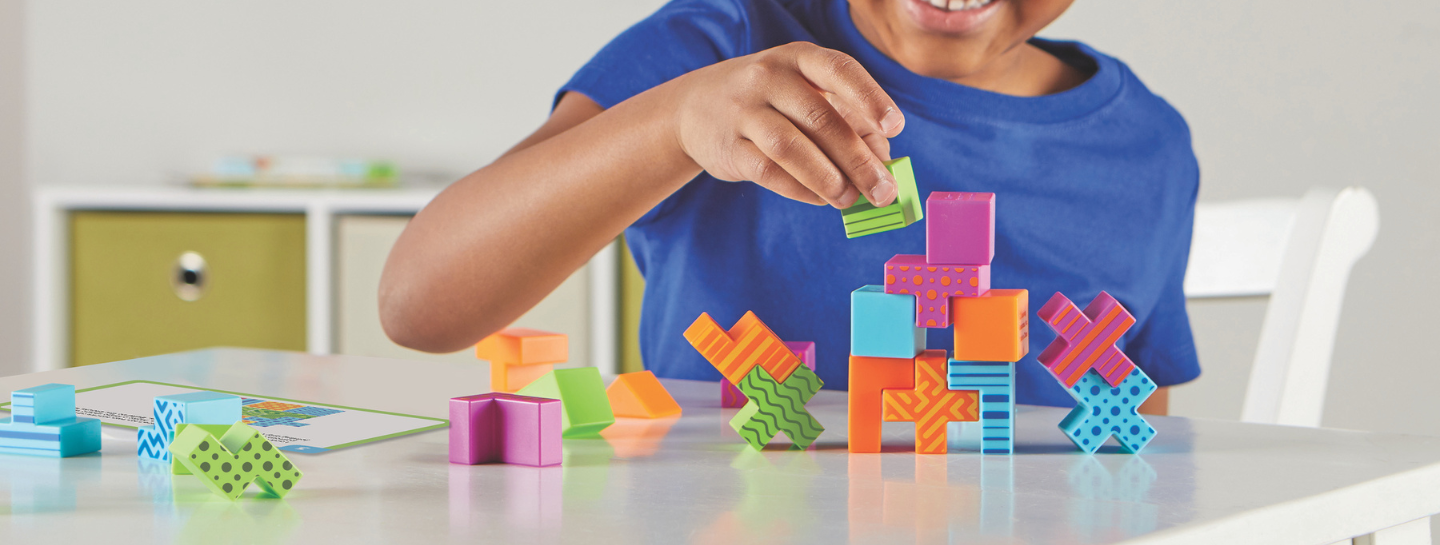
Spatial reasoning is the ability to visualize and manipulate objects in space, an essential skill for fields like geometry, architecture, engineering, and even art. Math-based games that involve shapes, patterns, and movement are particularly effective at strengthening spatial awareness. When a child rotates shapes to fit into a puzzle or navigates a path through a maze using math clues, their brain is actively developing this skill.
Improving spatial reasoning doesn’t just help in math class. It also supports reading, as children learn to understand how letters and words relate to one another spatially. It aids in physical coordination and problem-solving, such as planning routes or organizing physical space efficiently. Games that support these skills often don’t feel like math at all, they feel like play but their impact on cognitive development is both measurable and lasting. These types of activities also connect strongly with Maths Education, helping children apply mathematical thinking in creative and practical ways beyond numbers and equations.
15. Strengthens Working Memory
Working memory is the brain’s notepad the place where we hold information temporarily while using it. Math-based games challenge this by requiring players to keep track of numbers, steps, or rules while also applying them in real time. This strengthens the ability to juggle multiple pieces of information at once, an essential cognitive function for learning and life.
Children with strong working memory can better follow instructions, solve problems without losing track of steps, and engage in conversations that require back-and-forth thinking. Math games offer a low-pressure environment to exercise this mental skill, helping it grow over time. As working memory improves, so does the learner’s ability to think critically, stay organized, and succeed in academic subjects beyond math.
16. Financial Literacy
Understanding numbers through games can help kids develop important life skills, like managing money. Games that involve activities such as budgeting, calculating scores, or handling virtual money teach children how to think about and use money in real-world situations. These types of games offer practical lessons on money management that can be applied in everyday life, helping kids build a solid foundation for financial literacy.
By practicing these skills in a fun, interactive way, children not only improve their cognitive abilities but also prepare themselves to make smarter financial decisions as they grow. A key reason these games work so well is that they introduce basic finance math conceptssuch as saving, spending, and keeping track of expenses in a playful format that feels approachable rather than intimidating.
Tips For Parents And Educators
Integrating math games into learning routines is simple with the right approach. Here are practical tips:
- Choose Age-Appropriate Games: Select games like Number Bingo for toddlers or Prodigy for older children.
- Set Time Limits: Balance game time with other activities, limiting digital games to 30-60 minutes daily.
- Combine with Traditional Learning: Use games as a supplement, not a replacement, for textbooks.
- Engage Together: Play board games with children to foster bonding and reinforce concepts.
- Monitor Progress: Track improvements in skills like problem-solving or number recognition.
Also Read About - Game Development Analytics - The Secret To Creating Better Games
People Also Ask
How Is Math Related To Games?
3D Graphics and Rendering: In modern gaming, stunning visuals are a hallmark of success. Mathematics, particularly linear algebra, and geometry, plays a vital role in 3D graphics rendering. Transformations, such as scaling, rotation, and translation, position objects in the virtual world.
What Are Some Examples Of Math-based Games?
Popular games include Prodigy (digital), Math Bingo, and “Sum Swamp” (non-digital). These cater to various ages and teach concepts like counting and fractions. Choose based on your child’s interests and skill level.
Are Math Games Better Than Traditional Teaching Methods?
Math games complement traditional methods, offering engagement and interactivity. Research suggests they improve motivation and skills, but a balanced approach is best. Combining games with textbooks ensures comprehensive learning.
What Is The Effective Use Of Game-based Learning In Education?
Game-based learning (GBL) is an instructional approach that integrates game mechanics, elements, and principles into the learning process to enhance educational outcomes. This methodology uses both digital and nondigital games to foster active engagement, motivation, and critical thinking among students.
Final Thoughts
Math-based games are a game-changer for cognitive development, enhancing skills like problem-solving, memory, and critical thinking while fostering a love for math. By blending fun with education, they reduce anxiety and boost motivation, making learning a joyful adventure.
Parents and educators can harness these benefits by choosing the right games and balancing them with traditional methods.